
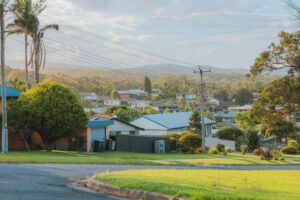
 Brentwood is known for its quiet streets and hillside views, but those same features can make driving more complicated than it seems at first glance. Unlike flat, predictable roadways, many Brentwood streets curve sharply, climb steep elevations, and limit how much drivers can see ahead. These conditions do not just require attention. They demand a different kind of driving awareness that not everyone is prepared for.
One of the biggest challenges comes from elevation changes. Driving downhill can feel deceptively easy, but speed builds quickly without much effort. A driver may think they are in control, only to realize too late that stopping distance has increased. This becomes especially dangerous when approaching intersections, parked vehicles, or pedestrians who may appear suddenly. On the other hand, uphill driving can slow vehicles more than expected, which creates uneven traffic flow and increases the chances of rear end collisions.
As the road begins to curve, those risks become even more layered. Winding streets reduce a driver’s ability to anticipate what is ahead, which means reactions are often delayed by a second or two. That might not sound like much, but in real driving conditions, it is the difference between braking safely and colliding with another vehicle. A car stopped just around a bend or a vehicle drifting slightly into the opposite lane can turn into a serious accident with very little warning.
What makes Brentwood particularly unique is how these curves interact with residential design. Many streets are narrower than expected, and some lack clear lane markings altogether. Without those visual guides, it becomes harder to judge spacing, especially at night or during low visibility conditions. Drivers may unintentionally drift too close to the center of the road or edge toward parked cars, increasing the risk of sideswipe accidents.
At the same time, visibility is often further reduced by landscaping and elevation changes. Hedges, trees, and raised driveways can block sight lines in ways that are not immediately obvious. A driver coming around a curve may not see another vehicle until they are already within close range. This also affects pedestrians, particularly in areas where sidewalks are limited or nonexistent.
These conditions become even more unpredictable when traffic patterns shift throughout the day. Morning commutes and evening returns can bring more vehicles onto roads that were relatively quiet just hours before. When multiple drivers are navigating curves and hills at the same time, small misjudgments can quickly compound into larger incidents.
Weather adds another layer, even in a city like Los Angeles. When roads are wet, traction decreases and braking becomes less reliable, particularly on downhill stretches. A driver who is already adjusting to curves and elevation may find it harder to maintain control, especially if they are moving too quickly for the conditions.
Because of all these overlapping factors, prevention comes down to adjusting expectations. Driving in Brentwood hills is not the same as driving on a flat boulevard. Slowing down before curves, maintaining extra distance from other vehicles, and staying fully focused on the road can make a meaningful difference. It is less about reacting quickly and more about anticipating what could happen next.
When accidents do occur in these areas, they often involve more than just driver error. Road design, visibility limitations, and environmental conditions all play a role in how a situation unfolds. Understanding those details can be important when determining what actually caused the crash.
Kamelia Jalilvand works with individuals who have been injured in accidents across Los Angeles, including those involving challenging road conditions like Brentwood’s hills and winding streets. She understands that these collisions are not always as straightforward as they seem and takes the time to evaluate every factor involved. Her goal is to help clients move forward with clarity, confidence, and the support they need after a difficult experience.