
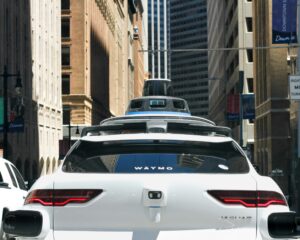
 Self-driving vehicles are no longer a futuristic concept in Los Angeles. Autonomous cars are now operating on city streets, transporting passengers and navigating traffic without a human driver behind the wheel. One of the most visible companies in this space is Waymo, whose robotaxi vehicles have gradually expanded service across parts of the city.
While the technology promises convenience and innovation, it also raises an important legal question. What happens when a self driving car is involved in a crash. When traditional vehicle accidents occur, determining responsibility usually centers on the actions of the drivers involved. With autonomous vehicles, the situation can become far more complicated.
In a typical accident involving two human drivers, investigators look at factors such as speeding, distracted driving, or failure to follow traffic signals. These elements help determine which driver may be responsible for the collision. With autonomous vehicles, the “driver” may actually be a complex system of sensors, software, and artificial intelligence.
Because of this, accident liability can involve several different parties.
One possibility is that another human driver caused the crash. Even when a self driving vehicle is operating properly, it still shares the road with human drivers who may make mistakes. If another driver runs a red light or fails to yield, they could still be held responsible for the accident just like in any other collision.
However, some cases raise questions about the technology itself. Autonomous vehicles rely on cameras, radar systems, and advanced software to interpret road conditions. If a system fails to detect a pedestrian, misreads a traffic signal, or reacts incorrectly to an obstacle, investigators may look more closely at the vehicle’s technology.
In these situations, product liability law can come into play. Product liability cases examine whether a product was designed safely, manufactured properly, and accompanied by appropriate warnings or instructions. If a defect in the autonomous system contributed to an accident, responsibility may extend beyond the vehicle occupants.
The company operating the self driving technology may also become part of the investigation. Autonomous vehicles are often monitored remotely and rely on continuous software updates. If operational decisions or software design issues contributed to the crash, those factors may be examined when determining liability.
Another layer of complexity involves how autonomous vehicles are regulated. In California, self driving car companies must follow strict testing and reporting requirements. State agencies monitor incidents involving these vehicles to better understand how the technology performs in real world conditions. These reports can sometimes provide valuable information when accidents occur.
Pedestrian accidents present a particularly sensitive issue in discussions about autonomous vehicles. Self driving technology is often promoted as a way to reduce human error and improve road safety. However, when a crash involving a pedestrian occurs, it raises serious questions about whether the technology performed as intended.
Passengers inside autonomous vehicles may also be affected by crashes because even though they are not controlling the car, they can still suffer injuries if the vehicle is involved in a collision. In these situations, determining responsibility may involve examining the actions of other drivers as well as the performance of the autonomous system.
As autonomous technology becomes more common on Los Angeles roads, legal questions surrounding these vehicles will likely continue to evolve. Courts, regulators, and safety experts are still working to determine how existing laws apply to this new form of transportation.
For people injured in accidents involving autonomous vehicles, understanding their rights can feel overwhelming. These cases may involve multiple parties, complex technology, and detailed investigations into how the crash occurred.
Attorney Kamelia Jalilvand has experience helping individuals across Los Angeles navigate personal injury claims involving complex circumstances. When new technologies like self driving vehicles are involved, careful investigation and a clear understanding of liability become especially important. Her approach focuses on helping injured people understand their options while pursuing accountability when accidents lead to serious harm.