
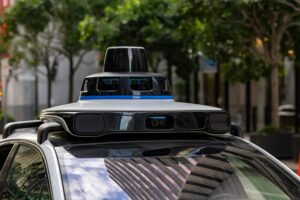
 Autonomous vehicles are becoming a familiar sight in parts of Los Angeles. As companies continue testing and expanding self driving technology, more residents are encountering these vehicles in everyday situations such as crossing the street, walking through neighborhoods, or navigating busy intersections. One of the most prominent companies operating autonomous vehicles in the city is Waymo.
While the goal of self driving technology is to improve road safety, accidents can still happen. When a pedestrian is involved in a crash with an autonomous vehicle, the investigation process often looks very different from a typical car accident.
Pedestrian accidents already present serious safety concerns. People walking near traffic have very little protection compared with those inside vehicles. Even collisions at relatively low speeds can result in significant injuries such as fractures, head trauma, or internal injuries.
When a traditional vehicle strikes a pedestrian, investigators typically focus on driver behavior. They may examine whether the driver was distracted, speeding, or failed to yield at a crosswalk. With autonomous vehicles, the focus expands beyond human decision making.
Self driving vehicles rely on a network of sensors to detect their surroundings. Cameras, radar systems, and laser based sensors help the vehicle identify pedestrians, cyclists, other cars, and road signs. The vehicle’s software then processes this information and determines how the car should respond.
If a pedestrian accident occurs, investigators often begin by reviewing data collected by the vehicle. Autonomous cars continuously record detailed information about their environment and movements. This data may show the vehicle’s speed, braking activity, and how the system interpreted objects nearby in the seconds leading up to the collision.
Another key question is whether the pedestrian was visible to the vehicle’s detection systems. For example, factors such as poor lighting, weather conditions, or obstacles like parked cars could affect how quickly a pedestrian is recognized by sensors. Investigators may examine whether the system responded appropriately once the pedestrian was detected.
Human drivers interacting with autonomous vehicles can also play a role in these incidents. A nearby driver may behave unpredictably or create a situation the autonomous vehicle must react to quickly. These interactions can complicate the chain of events that leads to an accident.
Crosswalks are a common location for pedestrian incidents. In California, drivers must yield to pedestrians who are crossing within marked or unmarked crosswalks. Autonomous vehicles are programmed to follow these rules, but real world conditions can be complex. Multiple pedestrians crossing at once or sudden movement into the roadway may create situations that challenge even advanced systems.
City environments like Los Angeles also present unique challenges for autonomous technology. Busy intersections, delivery vehicles blocking sight lines, and large groups of pedestrians can create rapidly changing conditions. These factors must be interpreted correctly by the vehicle’s software in order to avoid dangerous situations.
In some cases, pedestrian accidents involving autonomous vehicles may raise questions about product design or system performance. If investigators determine that the vehicle failed to detect or respond appropriately to a pedestrian, product liability law may become part of the legal discussion.
At the same time, not every accident involving an autonomous vehicle means the technology was at fault. Pedestrian behavior, road design, and actions by other drivers can all contribute to how an incident unfolds.
As autonomous vehicles continue operating on Los Angeles streets, these types of investigations are becoming more important. Understanding how technology interacts with real world traffic conditions helps regulators, engineers, and legal professionals evaluate both safety and accountability.
For people injured in pedestrian accidents, the aftermath can be overwhelming. Medical treatment, recovery time, and questions about responsibility often arise quickly after a serious crash.
Attorney Kamelia Jalilvand works with individuals across Los Angeles who have been injured in a wide range of vehicle related incidents. As new technologies like autonomous vehicles become part of everyday transportation, careful investigation and legal guidance can help injured pedestrians understand their rights and pursue the support they may need after an accident.