
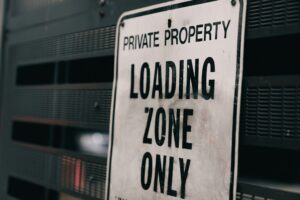
 Downtown Los Angeles runs on constant movement. Restaurants need daily deliveries, retail stores restock throughout the day, and office buildings rely on frequent shipments to stay operational. To keep everything moving, designated loading zones line many streets across the area. While these zones are necessary for business, they also introduce a set of risks that many drivers and pedestrians do not fully anticipate.
Loading zones are often located along already busy streets. Vehicles entering and exiting these spaces can disrupt the normal flow of traffic. A delivery truck may slow suddenly, stop without much warning, or pull out into traffic with limited visibility. Drivers behind these vehicles may not have enough time to react, which can lead to rear end collisions or sudden lane changes that cause side impacts.
One of the biggest challenges with loading zones is double parking. When designated spaces are full or blocked, drivers may stop in active lanes to complete deliveries. This forces surrounding vehicles to navigate around them, sometimes moving into adjacent lanes without clear sight lines. In tight downtown streets, there is often very little room for error.
Freight activity also involves large vehicles that handle differently than standard passenger cars. Box trucks, delivery vans, and freight carriers have larger blind spots and require more space to turn and stop. When these vehicles are maneuvering into a loading zone, they may swing wide or reverse into position. Drivers and pedestrians nearby may not realize how much space is needed, increasing the chance of a collision.
Pedestrians face unique risks in these areas. Loading zones are frequently located near storefronts, sidewalks, and building entrances. People walking by may need to move around parked trucks, step into the street, or navigate around equipment being unloaded. In some cases, drivers inside delivery vehicles may not see pedestrians moving behind or alongside the truck.
The process of loading and unloading goods adds another layer of hazard. Workers may be carrying heavy items, using carts, or operating equipment that extends into pedestrian pathways. Loose packaging materials, ramps, and uneven surfaces can create trip hazards. These conditions can lead to both vehicle related accidents and slip and fall injuries.
Rideshare and passenger vehicles also contribute to congestion around loading zones. Drivers may stop nearby to pick up or drop off passengers, adding to the already crowded space. This mix of delivery activity and passenger traffic creates unpredictable movement patterns that increase the likelihood of accidents.
Time pressure is another factor. Delivery drivers often work on tight schedules and may feel pressure to complete stops quickly. This can lead to rushed decisions, such as pulling out into traffic without a full view of oncoming vehicles or failing to check blind spots thoroughly. Even a brief lapse in attention can result in a serious incident.
Visibility in downtown Los Angeles can be limited, especially on streets with tall buildings and narrow lanes. Parked vehicles, construction barriers, and heavy foot traffic can make it difficult to see what is happening ahead. Drivers approaching a loading zone may not immediately recognize the potential hazards until they are already too close.
Reducing risk in these areas requires awareness from everyone on the road. Drivers should approach loading zones cautiously, expect sudden stops, and maintain a safe following distance. Avoiding quick lane changes and staying alert to the movement of larger vehicles can help prevent collisions. Pedestrians should remain aware of their surroundings and avoid walking directly behind delivery trucks or through active loading areas.
When accidents occur in or around loading zones, determining responsibility can be complex. Liability may involve the driver of the delivery vehicle, other motorists, or even business operations depending on how the situation unfolded. Gathering evidence, documenting the scene, and understanding the sequence of events are all important steps in pursuing a claim.
Kamelia Jalilvand represents individuals who have been injured in a wide range of traffic related incidents across Los Angeles, including those involving commercial vehicles and delivery activity. She understands how the fast pace of downtown environments can contribute to unexpected accidents. By carefully evaluating each case, she helps clients navigate the legal process and seek the support they need after being injured in challenging circumstances.