
 Walking in downtown Los Angeles is part of everyday life for thousands of people. From commuters heading to work to visitors exploring the city, sidewalks are constantly in use. While most people think of traffic accidents as the primary safety concern, sidewalk hazards are another major source of injury in the area.
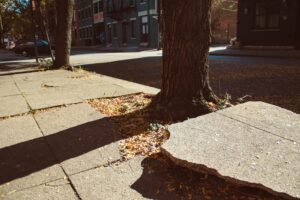
Sidewalks in DTLA experience heavy wear and tear. Years of foot traffic, construction activity, and environmental factors can lead to uneven surfaces. Cracked pavement, lifted concrete slabs, and worn edges create tripping hazards that are easy to overlook until an accident happens. In busy areas, pedestrians may not notice these issues because they are focused on navigating crowds or crossing streets.
Utility covers are another common hazard. Manhole covers, access panels, and other infrastructure elements are often embedded within sidewalks. When these covers are not level with the surrounding pavement, they can create sudden changes in elevation. A person walking at a normal pace may catch their foot on the edge and fall forward without warning.
Lighting conditions can make these hazards even more dangerous. In areas with poor lighting or heavy shadows from tall buildings, it may be difficult to see cracks or uneven surfaces. Nighttime pedestrians are especially vulnerable, as reduced visibility limits their ability to identify and avoid obstacles.
Crowded sidewalks add another layer of risk. In areas like the Fashion District or near major transit stops, foot traffic can become dense. People may be walking quickly, changing direction suddenly, or trying to move around others. In these situations, there is less time to notice hazards on the ground. A small crack or raised edge can easily lead to a fall when someone is forced to adjust their path quickly.
Construction zones are also a frequent source of sidewalk hazards in downtown Los Angeles. Temporary repairs, exposed materials, and incomplete surfaces can create unsafe walking conditions. Even when warning signs are present, pedestrians may not see them in time, especially in high traffic areas.
Weather, while less extreme in Los Angeles than in other cities, still plays a role. Rain can make surfaces slippery and highlight uneven pavement. Puddles may hide cracks or holes, increasing the likelihood of a misstep. Combined with the fast pace of downtown movement, these conditions can lead to serious falls.
Trip and fall accidents can result in a wide range of injuries. Common outcomes include sprains, fractures, and head injuries. In more severe cases, a fall can lead to long term complications that affect mobility and quality of life. What may seem like a minor hazard can quickly become a significant medical issue.
Determining responsibility for these accidents can be complex. In some cases, the city may be responsible for maintaining sidewalks. In others, property owners or businesses may have a duty to address hazards adjacent to their buildings. The specific location of the hazard and the circumstances of the fall often determine how liability is assessed.
Documentation is critical after a trip and fall accident. Taking photos of the hazard, noting the location, and seeking medical attention as soon as possible can help support a claim. Witness statements and incident reports may also play an important role in establishing what happened.
Preventing these accidents requires both awareness and maintenance. Pedestrians can reduce risk by watching their footing and avoiding distractions like phones while walking. At the same time, proper upkeep of sidewalks and prompt repairs are essential for keeping public spaces safe.
Kamelia Jalilvand works with individuals who have been injured in premises liability cases throughout Los Angeles, including those involving unsafe sidewalks in downtown areas. She understands how easily these accidents can happen and the impact they can have on daily life. By focusing on the details of each case, she helps clients navigate the legal process and seek accountability when unsafe conditions lead to injury.