
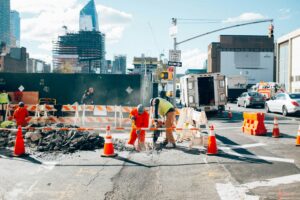
 Westwood is constantly evolving with new apartment buildings, renovations near campus, and infrastructure upgrades. That means that construction zones are a regular part of daily life around the neighborhood. While development can improve the area over time, the temporary changes to roads and sidewalks often create confusing and hazardous conditions for drivers and pedestrians.
Construction zones frequently alter normal traffic patterns. Lanes may be narrowed, temporarily closed, or shifted without much warning. Drivers who are familiar with Westwood streets may suddenly find that their usual routes look completely different. For visitors, students, and delivery drivers who are already navigating an unfamiliar area, these changes can create a perfect storm of confusion and sudden decision making.
One of the biggest problems in construction areas is limited visibility. Large equipment, temporary fencing, and stacks of materials can block sight lines at intersections and crosswalks. This could result in a driver turning a corner and not seeing a pedestrian until the last moment. At the same time, pedestrians trying to walk around blocked sidewalks may step into traffic without being aware of incoming traffic.
Construction activity also brings more vehicles into already busy streets. Work trucks, delivery vehicles, and contractor vans often stop along the curb or partially block lanes while unloading equipment. This forces other drivers to make quick lane changes or squeeze through narrow spaces. When traffic is already heavy, especially near campus and Westwood Village, these small disruptions can quickly lead to rear end collisions or sideswipe crashes.
Pedestrians face their own set of risks in these areas because sidewalk closures are common during construction projects, and detour signs are not always easy to follow. People may end up walking through parking lots, along the edge of the road, or between parked cars just to continue down the block. This puts them much closer to moving traffic than they would normally be.
As for students at UCLA, they often move through the neighborhood on foot throughout the day and late into the evening and construction zones can make these routes even more unpredictable. A familiar walkway may suddenly be blocked, pushing large groups of pedestrians into the street while drivers are already dealing with lane shifts and heavy congestion.
Noise and distractions are also a common denominator in these types of accidents. Construction equipment, jackhammers, and trucks create a loud environment that makes it harder for people to hear approaching vehicles or warning signals. Drivers may become distracted while trying to read temporary signage or watch for workers directing traffic.
Drivers should reduce speed, pay close attention to temporary lane markings, and watch carefully for pedestrians who may appear unexpectedly. Giving extra space to work trucks and avoiding sudden lane changes can also help reduce the risk of a crash.
Pedestrians should look for clearly marked detours and avoid walking through active construction areas whenever possible. Making eye contact with drivers before crossing the street and staying visible can make a significant difference, especially during busy traffic periods.
Despite taking precautions, accidents can still happen in construction zones. When a crash occurs, determining who is responsible can be complicated. Liability may involve multiple parties, including drivers, construction companies, contractors, or even government agencies responsible for road management. Careful documentation of the scene, photos of signage and lane closures, and witness statements can all play an important role in understanding what happened.
For individuals injured in these types of accidents, having experienced legal guidance can make the claims process much clearer. Westwood residents and visitors deserve to understand their rights and their options after a crash.
Kamelia Jalilvand is a Southern California injury lawyer who works with clients injured in complex traffic situations, including accidents in construction zones. Her experience with Los Angeles traffic patterns and local road conditions allows her to advocate for individuals navigating difficult insurance and liability issues. Jalilvand Law is committed to helping injured people understand their rights and pursue fair compensation while focusing on recovery.