
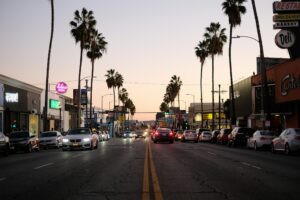
 Westwood transforms after dark. Streets that are relatively calm during the day become bustling with activity from bar patrons, restaurant-goers, and students returning from campus events. While this vibrant nightlife is part of what makes the neighborhood popular, it also creates distinct risks for drivers. Narrow streets, frequent crosswalks, and heavy foot traffic increase the likelihood of collisions during evening and late-night hours.
Alcohol consumption is a significant factor. Bars and restaurants in Westwood attract visitors who may be intoxicated, and impaired pedestrians or drivers dramatically increase the chances of accidents. Drunk driving can reduce reaction times, impair judgment, and make braking or turning safely more difficult. Even moderate alcohol use can cause risky behavior behind the wheel or in parking lots, making late-night streets especially hazardous.
Student activity adds another layer of complexity. UCLA and surrounding colleges bring a mix of young drivers, many of whom may be inexperienced or distracted by social events. Pedestrians crossing streets late at night may be texting or listening to music, creating blind spots for drivers. Ride-hailing services also increase traffic congestion, with drivers pulling to the curb or making quick lane changes to pick up or drop off passengers.
Street conditions at night present additional challenges. Dim lighting, glare from oncoming headlights, and shadows from buildings or parked cars can reduce visibility. Narrow roads, crowded parking lots, and alleys used for shortcuts increase the likelihood of fender-benders and more serious collisions. Drivers may also encounter cyclists who are harder to see in low-light conditions, particularly if they lack reflective clothing or lights.
Distractions are a constant concern. Phones, navigation apps, and infotainment systems all compete for attention, and a brief lapse in focus can turn a minor situation into a crash. Fatigue plays a role as well; late-night drivers may be more likely to experience drowsiness, reducing awareness and reaction times. Combining fatigue with heavy foot and vehicle traffic makes cautious driving critical.
Preventing accidents requires awareness and planning. Drivers should maintain a safe following distance, slow down in congested areas, and anticipate unpredictable pedestrian and vehicle movements. Avoiding distractions, staying alert to potential blind spots, and planning routes ahead of time can minimize exposure to risk. Cyclists and pedestrians should use crosswalks, wear reflective gear, and make themselves visible to oncoming traffic. Mutual awareness between drivers and pedestrians is essential for safety on Westwood streets at night.
Accidents during late-night hours often involve multiple factors, including alcohol, fatigue, and congestion. Injuries can range from minor cuts and bruises to serious trauma such as fractures or head injuries. Property damage may include vehicles, storefronts, or public property. Proper documentation, such as photos, witness statements, and medical records, is critical for insurance claims or legal action. Victims should act quickly to ensure evidence is preserved and their rights are protected.
Kamelia Jalilvand is a Westwood injury lawyer who has experience handling late-night collisions. She understands the unique risks posed by nightlife, student traffic, and ride-hailing congestion and works closely with clients to navigate insurance claims and legal challenges. If you are injured in a late-night accident in Westwood, Jalilvand Law can provide skilled guidance, advocate for your rights, and help secure the compensation you deserve.