
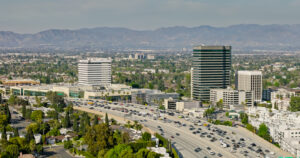
 The 101/405 interchange is widely known among San Fernando Valley drivers as one of the most challenging and accident-prone areas in Los Angeles. This busy convergence of two major freeways brings together commuters, delivery vehicles, and local drivers all attempting to navigate multiple entry and exit ramps. Lane changes happen quickly, drivers unfamiliar with the area must merge alongside locals, and sudden slowdowns often appear without warning. The combination of heavy traffic, fast-moving vehicles, and unpredictable behaviors creates a high-risk environment where rear-end collisions, side-swipes, and even multi-car pileups can occur in an instant.
Ramps connecting the 101 and 405 are particularly hazardous. Drivers frequently accelerate to make merges or miss exits entirely, which leads to abrupt lane changes and last-minute maneuvers. Commercial trucks and delivery vehicles add another layer of unpredictability, as their size and slower stopping times can amplify the impact of a minor error. Even a single distracted driver can trigger a chain reaction that causes multiple vehicles to collide.
Morning and evening rush hours are especially dangerous, as congestion reduces the time drivers have to react and aggressive driving behaviors tend to increase. Weather and road conditions also play a role. Rain, slick surfaces, or glare from low sunlight can make braking more difficult and decrease visibility, further elevating the risk of crashes.
Reducing risk at this interchange requires careful planning and constant attention. Maintaining a safe following distance gives drivers more time to react if traffic suddenly slows. Observing exit signs early and staying in your lane until it is safe to merge can prevent last-minute maneuvers that often result in collisions. Defensive driving techniques, such as scanning the roadway ahead, anticipating other drivers’ actions, and avoiding distractions from phones or navigation systems, are essential.
Understanding the flow of traffic at different times of day and recognizing areas where drivers often cut across lanes allows motorists to anticipate hazards and make safer choices. Even small adjustments in behavior can significantly lower the chances of being involved in a serious crash.
Accidents at the 101/405 interchange can have serious consequences. Injuries range from minor bruises to severe trauma, including broken bones, head injuries, and whiplash. Property damage can also be significant, especially when large vehicles like trucks or SUVs are involved. Insurance claims in these cases are often complex due to multiple drivers, varying accounts of the accident, and the potential presence of construction zones or temporary traffic changes. Proper documentation is critical. Taking photos of the scene, recording witness information, and keeping detailed medical records can strengthen a claim and increase the likelihood of fair compensation. Consulting an experienced attorney ensures that victims understand their rights and receive guidance through the often-complicated claims process.
Legal representation is particularly valuable for accidents at this interchange because of the intricacies involved in proving fault and navigating insurance policies. A knowledgeable attorney can help gather evidence, handle communications with insurers, and advocate for maximum compensation. Beyond financial recovery, legal guidance provides peace of mind during a stressful time and ensures that victims are not taken advantage of by insurance companies or other parties involved in the crash.
Kamelia Jalilvand is an injury lawyer with experience handling crashes at the 101/405 interchange and throughout the San Fernando Valley. She provides clients with practical guidance, effective advocacy, and support in navigating both insurance claims and legal processes. If you are seeking a Los Angeles injury lawyer or a California injury lawyer familiar with high-risk freeway interchanges, Jalilvand Law can help you protect your rights and move forward with confidence.